
16.03.2017
Ethical Risk Assessment of the cocoa sector published
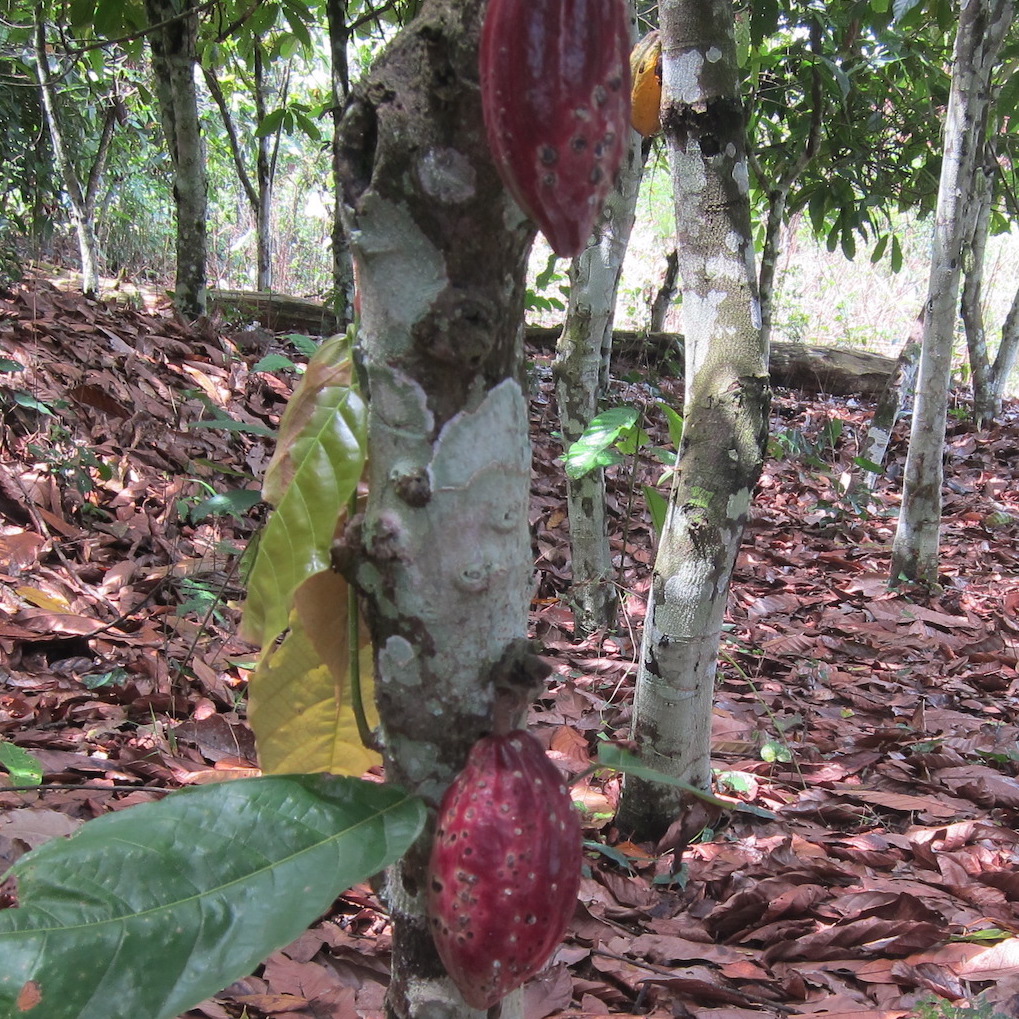
The second volume in the era-paper series has been published, featuring an analysis of the cocoa industry. The authors’ assessment shows that the sector’s ethical risks are concentrated at the very start of the value chain: poor working conditions and low incomes amongst farmers jeopardise the security of raw material supplies and, consequently, the very survival of the entire industry.
According to the authors at the Hamburger Stiftung für Wirtschaftsethik, efforts to tackle the numerous problems – amongst which child labour on Africa’s cocoa plantations remains a particularly serious issue – are being further hampered by corruption. In this respect, the recent change of government in Ghana can certainly be seen as a glimmer of hope: should this country – the most important cocoa-producing nation alongside Côte d’Ivoire – actually manage to make tangible progress, this could send a signal with far-reaching implications for the entire sector.
However, a reorientation of the numerous multi-stakeholder and collective action initiatives also appears to be necessary. To date, power imbalances to the detriment of cocoa farmers have prevented the negotiation and coordination of appropriate measures. “We see a striking multitude of activities which, although mostly carried out at great financial expense, ultimately yield hardly any success,” said the project lead, Dr Christiane Hellar. “The few changes that do occur usually only increase the farmers’ dependence rather than improving their living conditions.”
Nevertheless, the study’s sobering conclusion is accompanied by a cautiously optimistic outlook. According to the authors, provided there is a balanced combination of different collective action initiatives and improved transparency, the cocoa sector offers all the prerequisites for actually achieving the goal of greater sustainability.
The era paper ‘Cocoa: An Ethical Risk Analysis’ is available free of charge as a download and, on request, as a printed copy. The publication forms part of the Ethical Risk Assessment project, in which the foundation analyses value chains on a sector-by-sector basis. The guiding questions are: which economic, political and civil society actors are involved in the complex value creation processes; what role each plays; and how they can work together to minimise the sector’s socio-ethical risks. The first volume in the series was an analysis of electrical recycling.