
17.07.2023
Supply chain traceability: businesses need support
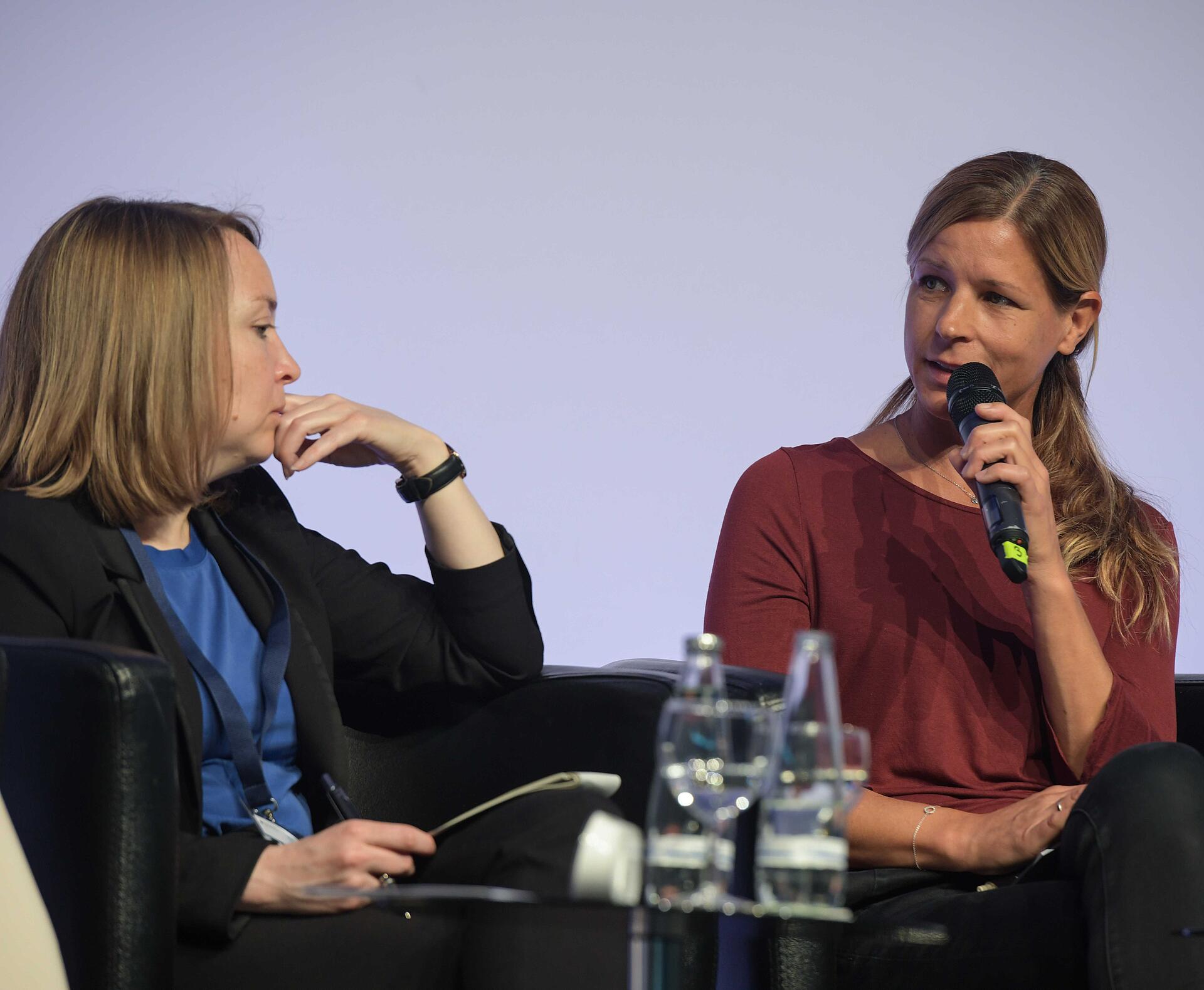
Companies operating globally can only fulfil their responsibilities in the area of socio-ethical risks with the support of other stakeholders. Dr Christiane Hellar of the Hamburger Stiftung für Wirtschaftsethik highlighted this at a specialist event in Berlin.
In countries with weak governance, companies could certainly exercise effective control over their supply chains and should indeed make use of this opportunity. However, the situation is different in regions and countries where human rights risks such as a lack of freedom of association, discrimination and forced labour are a reality. Where access to reliable information is lacking and civil society organisations can operate only to a limited extent – or not at all due to the threat of reprisals – according to Dr Christiane Hellar, “a critical civil society is needed to scrutinise standard procedures such as audits and certifications. However, if civil society’s scope for action is severely restricted or non-existent, there is a major credibility deficit that also calls into question the standard procedures themselves.” Under such conditions, therefore, responsibility must not be attributed unilaterally to companies. Rather, the German government and multi-stakeholder initiatives must also examine what contribution they could make towards improving the human rights situation in the regions concerned.
The expert event organised on 27 June 2023 by the Federal Ministry of Labour and Social Affairs in cooperation with the Automotive Industrial Dialogues was entitled ‘Supply Chain Transparency in Politically Sensitive Contexts’. During the opening panel, Dr Christiane Hellar discussed traceability and transparency along supply chains with Dr Melanie Müller, head of the ‘Research Network on Sustainable Supply Chains’ project at the German Institute for International and Security Affairs (SWP), and Ferdinand Geckeler, Senior Expert in Sustainable Supply Chain Management at the BMW Group. The discussion focused, amongst other things, on the specific challenges of protecting human rights in politically sensitive regions, as well as on strategies and approaches both within and outside companies.