
05.02.2018
Third era-paper on ethical risks in the fishing industry published
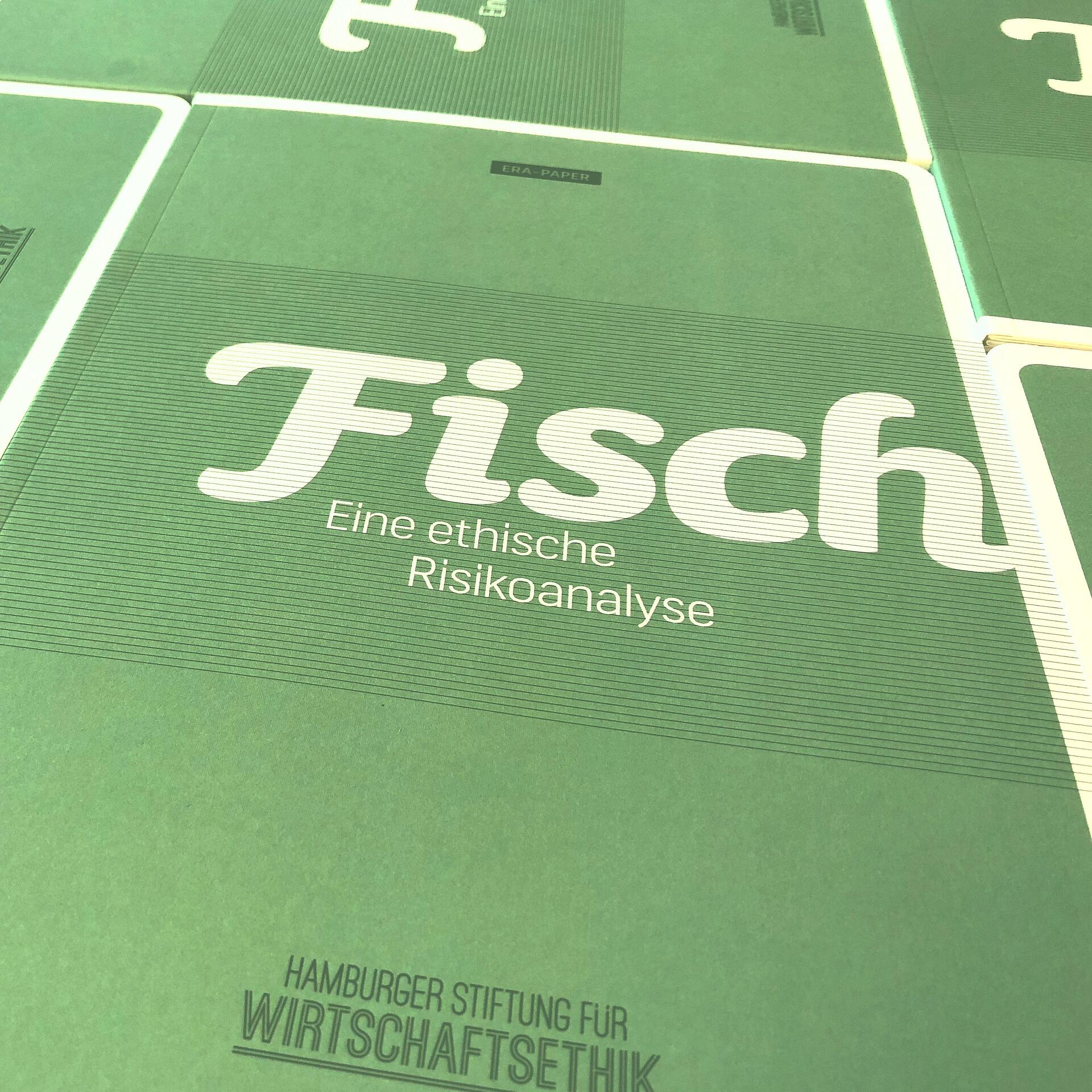
Overfishing of the oceans often hits people in poorer parts of the world particularly hard: if fishermen’s nets come up empty, it is not only jobs that are at risk, but also food security. The multitude of socio-ethical risks within the sector is the subject of the third volume in the era-paper series, which has now been published.
Under the title ‘Fish: An Ethical Risk Assessment’, the report examines the central role of so-called IUU fishing – illegal, unreported and unregulated fishing. This phenomenon not only leads to overfishing but is also closely linked to human rights violations – some of which are serious – and even forms of modern slavery, as repeatedly reported, particularly from the Asian region.
Thailand in South-East Asia is, alongside Mauritania, one of two countries cited in the era-paper (era = ethical risk assessment) in the search for possible solutions. “We were particularly interested in the role of the European Union, the world’s largest fish import market,” says Sören Bachmann, one of the authors from the Hamburger Stiftung für Wirtschaftsethik. “In our view, a key question is to what extent the EU could compensate for the absence of an actor with global reach.” However, the country case studies not only examine the effectiveness of European measures such as the Common Fisheries Policy and the IUU Regulation, but also instruments such as the relatively new Port State Measures Agreement of the Food and Agriculture Organisation of the United Nations. The report concludes that, in future, alongside the consistent implementation of agreed measures at a political level, there must be a stronger link between the issues of overfishing, working conditions, food security and development cooperation.
The era-paper ‘Fish: An Ethical Risk Assessment’ is available free of charge as a PDF download and in print. The publication forms part of the Ethical Risk Assessment project, in which the foundation analyses value chains on a sector-by-sector basis. The guiding questions are: which economic, political and civil society actors are involved in the complex value creation processes; what role each plays; and how they can work together to minimise the sector’s socio-ethical risks. Previous analyses in this series have covered electrical recycling and the cocoa sector.